TPO vs. EPDM: Choosing the Right Commercial Roofing System for Columbus Buildings in 2026
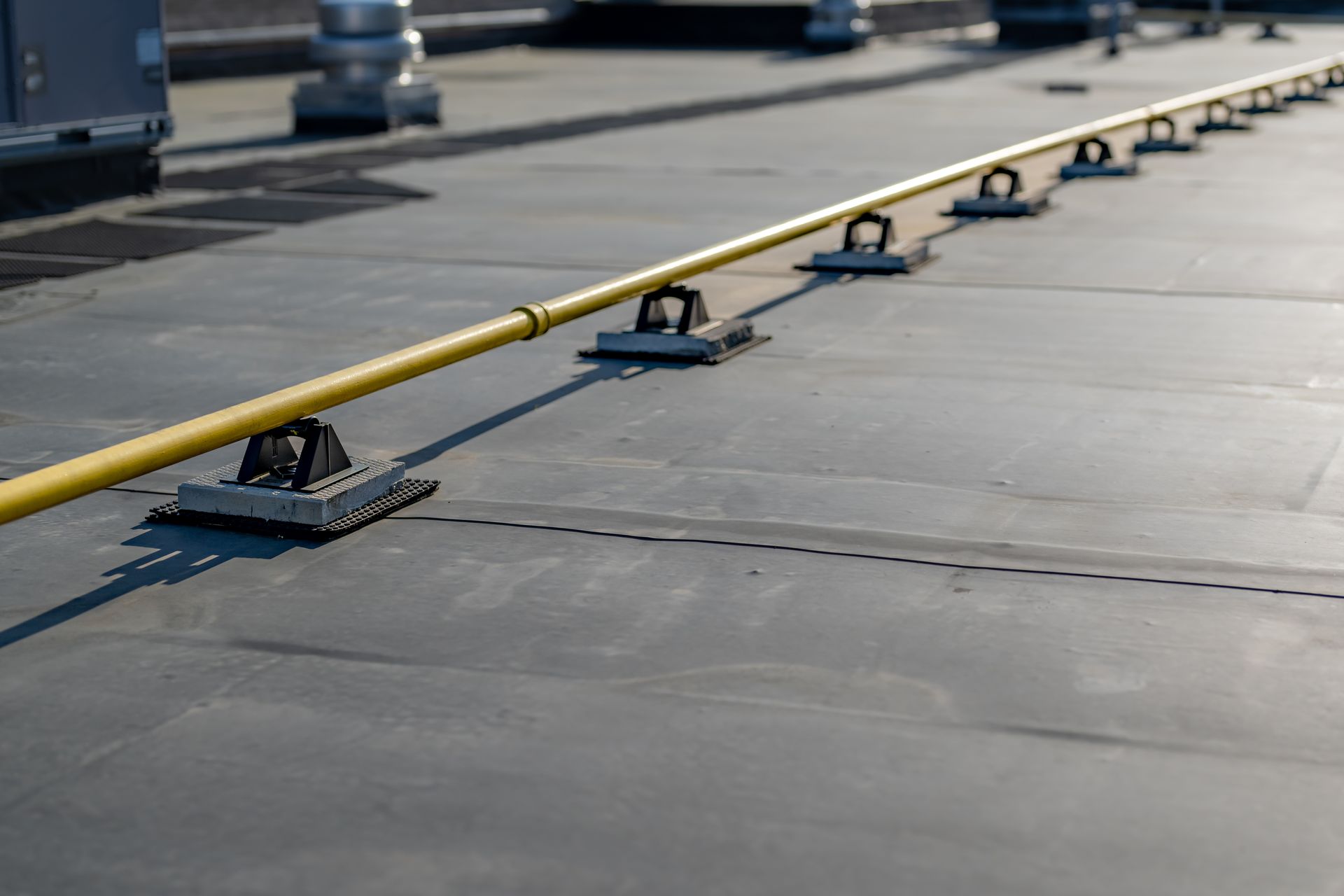
Choosing the right flat roofing membrane is one of the most important decisions a Columbus commercial property owner can make. Both TPO and EPDM are well suited to the flat and low-slope roofs common across Columbus, OH, commercial buildings. Climate, building use, and long-term goals all factor into the final call for property managers searching for commercial roofing options in Columbus, OH, in 2026.
How Columbus Weather Shapes Your Roofing Choice
Ohio's climate puts commercial roofs through a tough workout. Columbus sees repeated freeze-thaw cycles, heavy winter snow loads, and humid summers that push surface temperatures well above ambient air. A membrane that flexes through that thermal range without cracking is essential for any Columbus, OH, commercial property.
Both TPO and EPDM are engineered for this stress, but they respond differently to Ohio conditions.
TPO vs. EPDM: Key Differences at a Glance
Both membranes work well on Columbus commercial buildings, but each has its own strengths. Here is a look at TPO first, followed by EPDM.
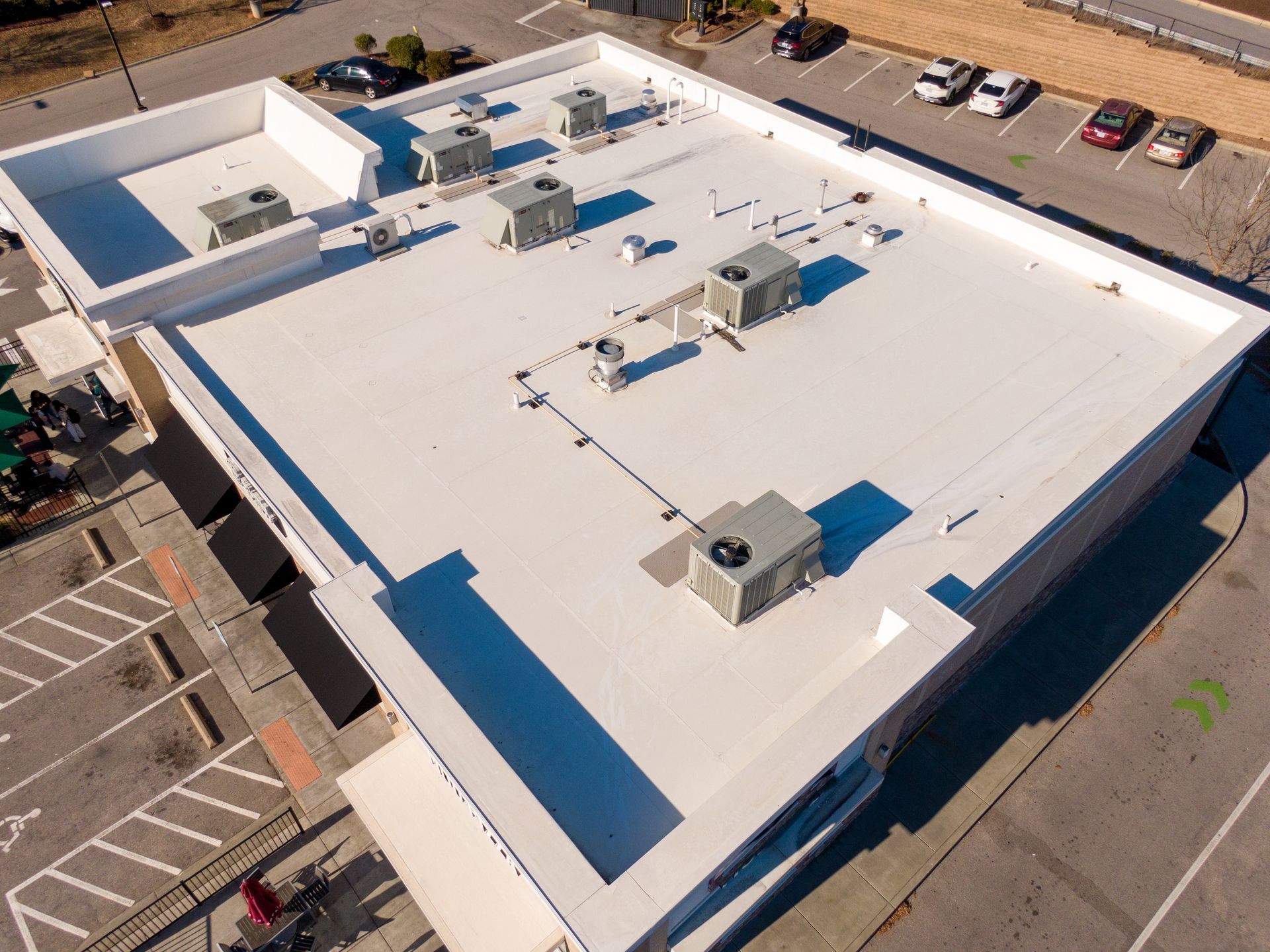
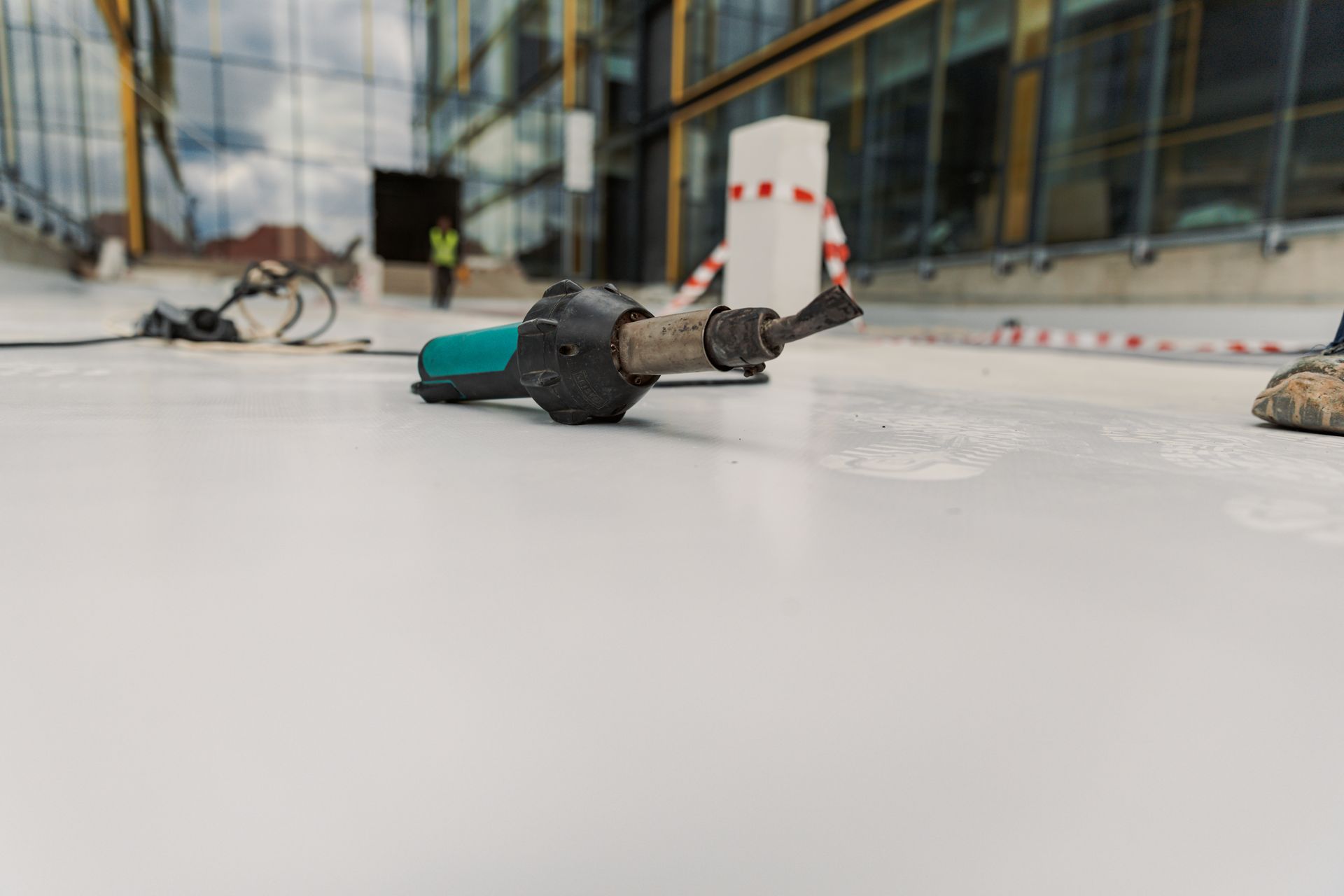
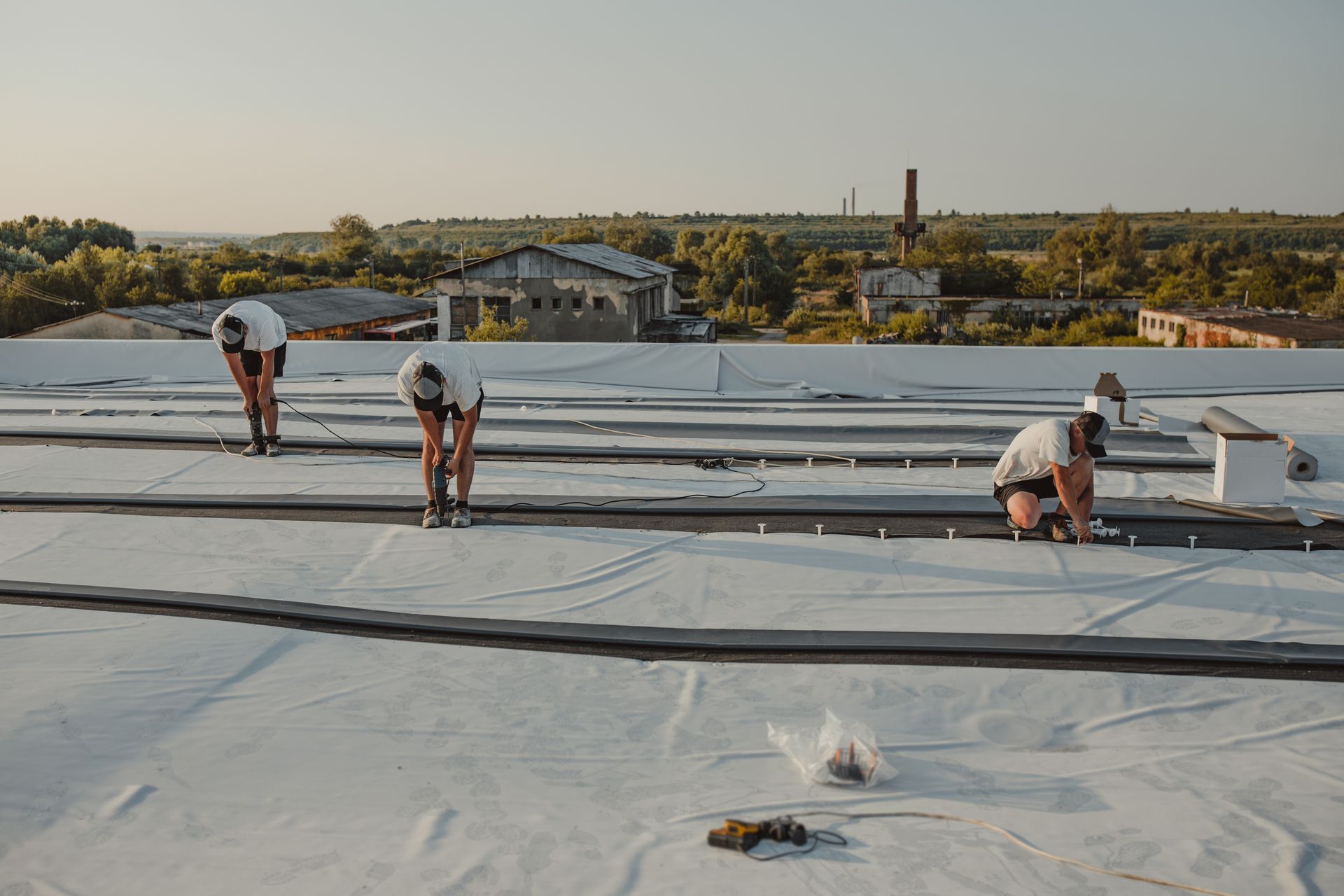
- TPO (Thermoplastic Polyolefin) is a white, single-ply membrane with heat-welded seams that lasts 15 to 25 years. Its reflective surface cuts cooling costs during humid Columbus summers, and it handles the cold well. Best fit: retail centers, offices, and light commercial buildings where energy efficiency matters.
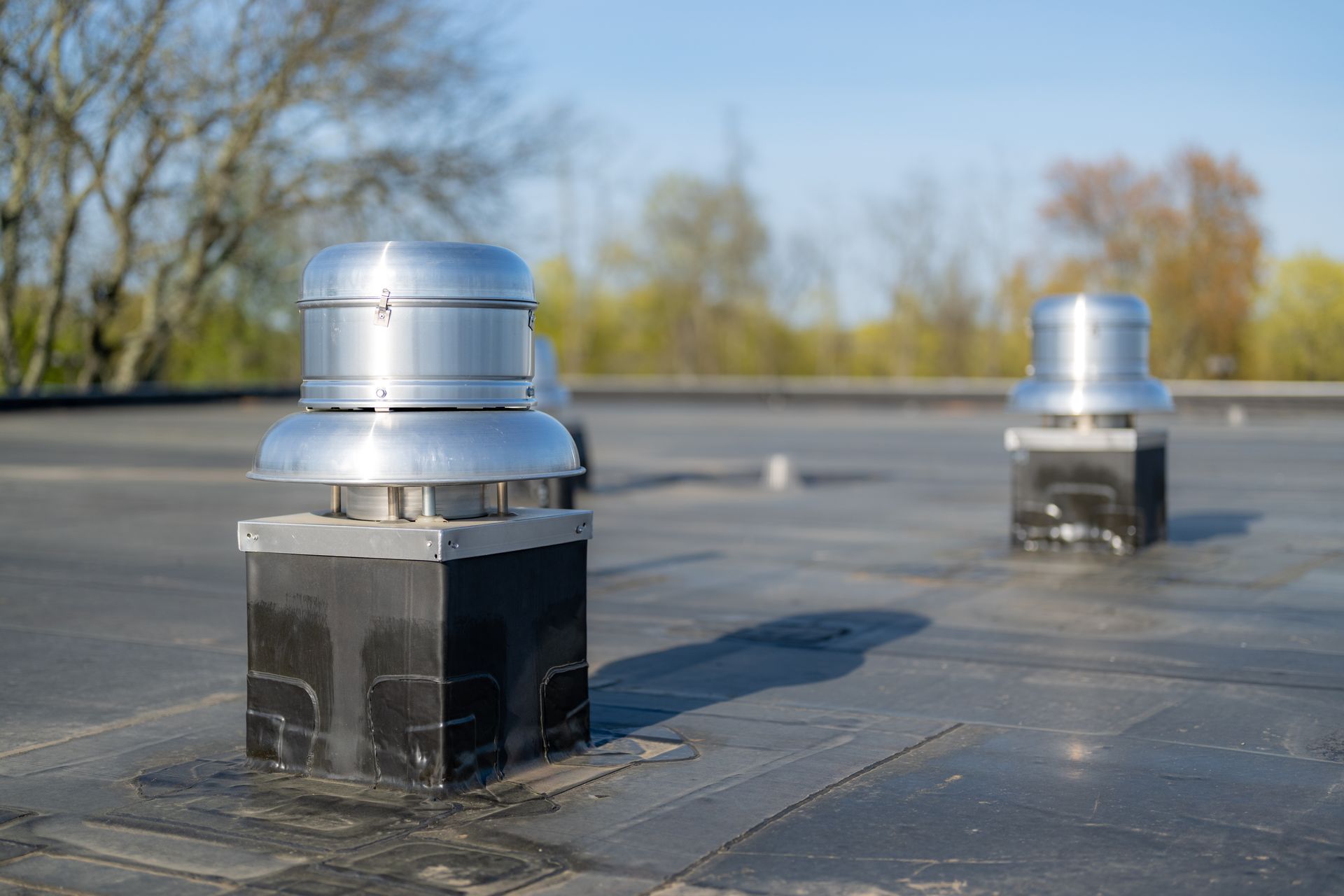
- EPDM (Ethylene Propylene Diene Monomer), or rubber roofing, is a synthetic rubber sheet that lasts a bit longer, at 20 to 30 years. It stays especially flexible in the cold, giving it excellent freeze-thaw performance through Columbus winters, though it is less reflective than TPO. Best fit: warehouses, industrial buildings, and flat low-slope roofs where durability and long life matter most.
Not sure which one is right for your building?
Contact the Allied Roofing team for a straight answer based on your roof and goals.
Columbus Permit Requirements for Commercial Reroofing
When comparing commercial roofing membrane systems in Columbus, OH, building use is usually the deciding factor.
- Warehouses and industrial properties in areas like the Rickenbacker corridor may benefit from EPDM's long lifespan and durability under heavy foot traffic or HVAC equipment loads.
- Retail strip centers and restaurants along corridors like W. Broad Street or Gender Road may lean toward TPO for its reflectivity and energy efficiency.
- Multi-tenant office buildings can go either way, though building orientation and HVAC design often tip the scale.
Do I Need a Permit for a New Commercial Roof in Columbus?
Yes. The City of Columbus Building and Zoning Services division typically requires a commercial roofing permit for full replacement projects. Requirements vary based on roof area, occupancy class, and scope of work. Your contractor should pull the necessary permits before work begins.
How Is Commercial Roofing Priced?
Pricing for both TPO and EPDM is quoted per square (100 sq ft) and varies based on membrane thickness, insulation layers, deck condition, roof access, and labor. The best way to get an accurate figure for your commercial roofing project in Columbus, OH, is to request a free, on-site quote from a licensed Columbus commercial roofer.
Get the Right Roof for Your Columbus Property
Allied Roofing has served Columbus, OH, since 1985 and installs both TPO and EPDM membranes on commercial properties across the region. As a trusted name in commercial roofing in Columbus, OH, Allied Roofing brings decades of local experience to every project. Call
(614) 444-2909 to
request an estimate online.